Spanish Barra Bread (Pan de Barra)
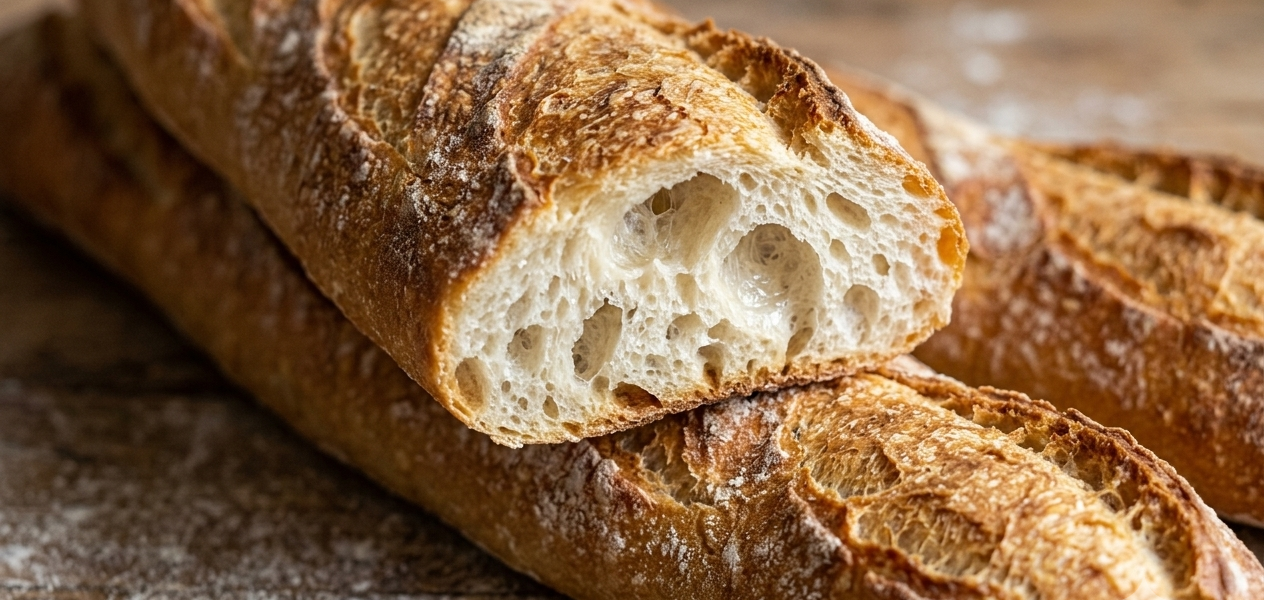
Pan de barra is the bread you actually eat in Spain. Not the tourist-photo baguette, the loaf under the counter at every neighborhood panadería, sliced open for a bocadillo or torn apart next to a plate of jamón. It’s shorter and thicker than a French baguette, with a crust built to hold up and a crumb built to hold fillings.
The flavor starts the night before with a biga, a small, stiff pre-ferment that sits on the counter for 12 to 16 hours before it ever meets the rest of the flour. It’s a different move than our no-knead baguette, which lets one loose, wet dough ferment overnight start to finish. Here, the biga develops real wheat flavor on its own, then gets kneaded into a fresh dough the next day, so you keep full control over the final shape and crumb.
What You’re Learning
Why a biga instead of a straight overnight dough. A biga is a small, stiff mix of flour, water, and a trace of yeast, fermented on its own before it’s ever kneaded into the final dough. It builds the same deep, slightly tangy wheat flavor as a long overnight ferment, but because you mix a fresh dough around it the next day, you still get to knead, fold, and shape with full control. An all-in-one overnight dough like the baguette’s trades that control for simplicity. A biga keeps both the flavor and the structure.
Why the shape and the scoring are deeper than a baguette’s. Barra is shaped shorter and noticeably thicker than a French baguette on purpose. A bocadillo needs a crumb sturdy enough to hold cured meat, cheese, or a fried egg without collapsing or turning soggy, which a thin, airy baguette crumb can’t do. The thicker shape needs a longer bake to cook all the way through, and a deeper score, about ½ inch instead of a baguette’s shallow slash, so the crust has room to open properly instead of tearing.
Ingredients
Makes 2 loaves.
- 1 cup (125g) bread flour, for the biga
- ½ cup (120ml) cool water, for the biga
- ¼ tsp instant yeast, for the biga
- 2½ cups (315g) bread flour, for the dough
- 1 cup (240ml) water, room temperature
- 2 tsp fine salt
- ½ tsp instant yeast
- 1 tbsp olive oil
Method
- Make the biga (the night before). In a medium bowl, mix 1 cup bread flour, ½ cup cool water, and ¼ tsp yeast into a stiff, shaggy paste. Cover and leave at room temperature 12 to 16 hours, until domed and bubbly.
- Mix the dough. The next day, tear the biga into a few pieces in a large bowl. Add the remaining 2½ cups flour, 1 cup water, salt, ½ tsp yeast, and olive oil. Mix until a rough, sticky dough forms.
- Knead. Turn out onto a lightly floured surface and knead 8 to 10 minutes, until smooth and elastic. Resist adding much extra flour, a slightly sticky dough shapes better than a dry one.
- Bulk ferment with folds. Place the dough in an oiled bowl, cover, and let rise 2 hours at room temperature. At the 30 and 60 minute marks, stretch and fold the dough over itself a few times, then re-cover.
- Divide and shape. Turn the dough out and divide into 2 equal pieces. Shape each into a short, wide log, about 12 inches long and noticeably thicker than a baguette.
- Proof. Place the loaves seam-side down on a floured couche or parchment-lined baking sheet. Cover loosely and proof 45 to 60 minutes, until visibly puffy.
- Preheat with a steam setup. About 30 minutes before baking, preheat the oven to 475°F (245°C) with a baking stone or steel on the middle rack and an empty metal pan on the lowest rack.
- Score. Just before baking, make 3 to 4 diagonal slashes in each loaf, about ½ inch deep, deeper than a baguette’s shallow scoring.
- Bake with steam. Slide the loaves onto the hot stone. Immediately pour 1 cup hot water into the pan on the lower rack to create steam. Bake 25 to 30 minutes, until deep golden and hollow-sounding when tapped on the bottom.
- Cool. Cool on a wire rack at least 20 minutes before slicing.
Notes
- The biga can go the full 16 hours if that fits your schedule better, more time means more flavor, the same logic as the baguette’s overnight rest.
- If the dough feels too sticky while shaping, wet your hands instead of flouring the counter heavily, it handles better and keeps the crumb open.
- No baking stone? Bake on a preheated heavy sheet pan instead. The bottom crust won’t be quite as crisp, but the loaf still turns out well.
- This is the everyday bread of Spain, the loaf behind bocadillos, pan con tomate, and tostas. Like any lean-dough bread, it’s best the day it’s baked.
- Freezes well after baking. Wrap tightly once fully cooled, then thaw and re-crisp in a hot oven for 5 minutes.
- Slice thick for bocadillos, the whole point of barra’s fatter shape is a crumb that can hold a real filling.
More at This Level
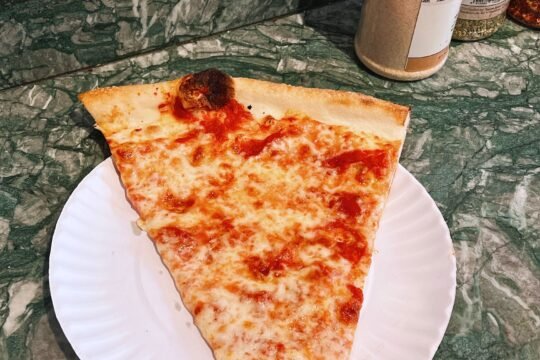
New York-Style Pizza (Pizza Estilo Nueva York)
Cold-fermented, bread-flour dough baked as hot as your oven will go on a preheated steel. The New York slice you actually fold, built with real technique, not a rushed 30-minute dough.
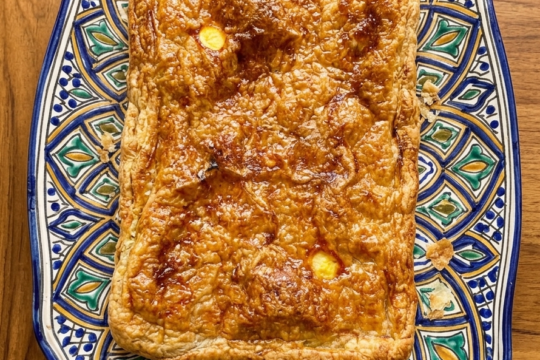
Galician Tuna Pie (Empanada Gallega de Atún)
A big, golden pie on a real yeasted dough, packed with a tomato-and-pepper sofrito, tuna, and hard-boiled egg. Empanada gallega, sliced into squares, made the traditional way.

Roast Turkey (Pavo Asado)
A whole roast turkey with crisp, bronzed skin and juicy breast meat. Salt it a day or two ahead, roast it hot and then moderate, pull it by temperature, and make the gravy while it rests.
More 🌍 Old World
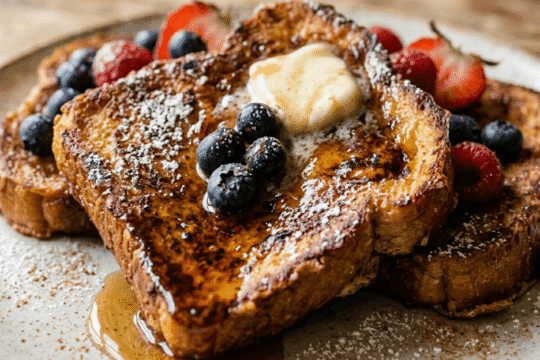
French Toast (Tostadas Francesas)
Pain perdu — lost bread — is how the French turned yesterday's stale loaf into something worth making on purpose. Thick-cut bread, a simple egg custard, and a medium-hot pan are all it takes.
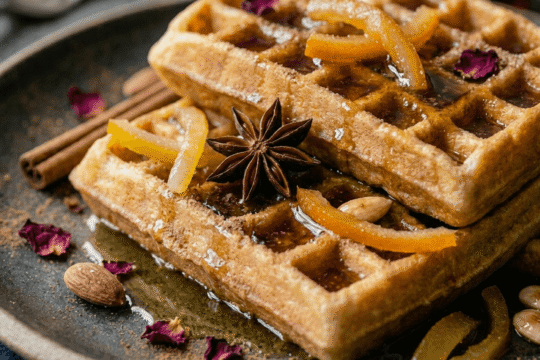
Belgian Waffles (Gofres Belgas)
Belgian waffles have deeper pockets and a lighter, crispier texture than American waffles — achieved by one extra step: separated eggs with beaten whites folded into the batter at the end.
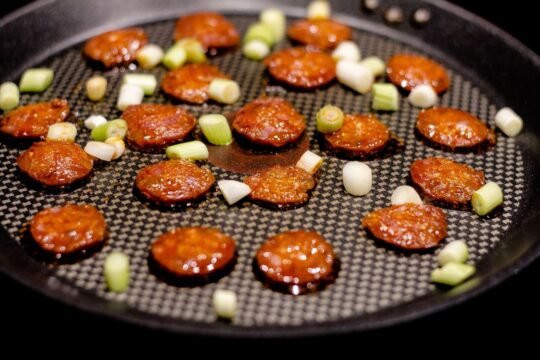
Fresh Spanish Chorizo (Chorizo Fresco)
Ground pork, pimentón, and garlic, stuffed into casings and used fresh, no curing required. The from-scratch version of the chorizo fresco that shows up in Patatas a la Riojana and Croquetas de Cocido Madrileño.