 Tools & Table
Tools & Table
Tools & Table
No experience required. No special equipment. No judgment. Just clear steps from someone who learned the hard way — and wants to save you the trouble.
I'm a veteran. I spent 40 years in IT. I'm a parent and a grandparent. I didn't always cook — and when I started, I made plenty of mistakes.
What I figured out is this: cooking isn't about talent. It's about showing up, paying attention, and not being afraid to mess something up. The people I cook for don't care if the edges are a little dark. They care that I made it.
This site is for people who are ready to start — or restart. Whoever you are, whatever stage of life you're in, there's food here worth making.
Read my full story →I'll walk beside you, not lecture from above. We learn together.
Most recipes here are under 45 minutes. Life is busy. Food shouldn't take all day.
Spanish roots. North American soul. The best of both, adapted for your kitchen.
Single, married, parent, veteran, beginner — this kitchen is yours.
Read the full beginner guide — what to learn first, what to skip, and why you're not as far behind as you think.
Four cooks across seven days. The days in between are yours — eat the leftovers, rest, look around the site. The pace is intentional. Cooking is a habit, not a sprint.
You need three things: a decent knife, a heavy pan, and a wooden spoon. That's it. Everything else is optional — and we'll tell you what's worth buying later.
See the tools guide →Bread, garlic, tomato, olive oil, salt. Five ingredients, five minutes. A staple of Old World cooking and proof that simple things done right are extraordinary.
Find the recipe →Your first real cook with a hot pan. Teaches heat control, timing, and what a proper sear looks and sounds like. And it is the best burger you have ever eaten.
Find the recipe →Garlic shrimp in olive oil. Ten minutes. It sounds impressive. It isn't hard. But it will make someone at the table look at you differently — in the best possible way.
Find the recipe →Get the next one delivered before it hits the site. Early access, free.
Before you touch anything. Just read it — all of it. You'll thank yourself when step 4 isn't a surprise.
Chop, measure, and lay it all out before the heat goes on. The French call it mise en place. We call it not panicking at the stove.
The stove has your full attention while it's on. Phone down. That's not a suggestion — that's how food gets burned and people get hurt.
Before the fancy stuff: master the basics. These recipes are pure technique — no tradition, no complexity, just the building blocks every cook needs.

The stock half the recipes on this site call for. Chicken backs and wings, a few vegetables, cold water, and a slow simmer that never boils. Clear, golden, and set like jelly once it's cold.
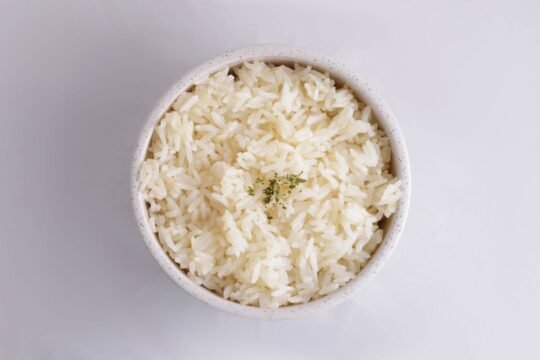
Fluffy, separate stovetop rice every time. Rinse off the loose starch, use a 1 to 1.5 ratio, keep the lid on, and let it rest before you fluff.
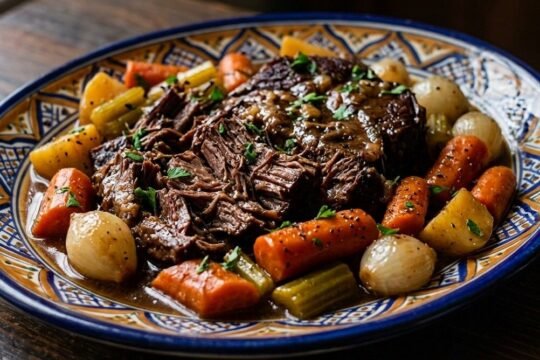
Chuck roast, carrots, celery, and pearl onions, set it in the morning and come home eight hours later to a fork-tender dinner with its own gravy already made.
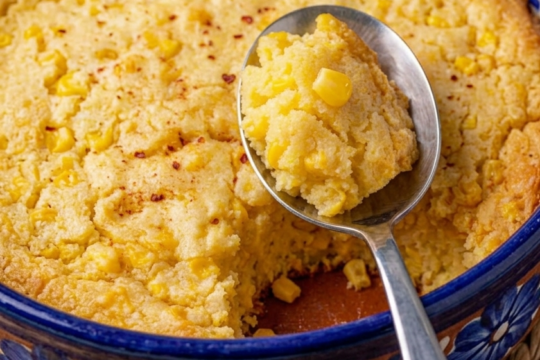
Sweet corn muffin mix, two forms of corn, and sour cream for richness. This is the potluck casserole that gets requested by name, ready in under an hour with almost no technique required.
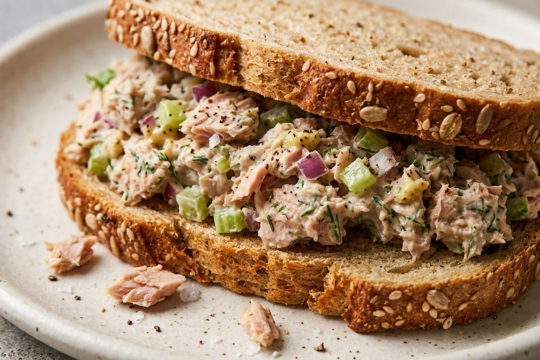
Canned tuna, mayonnaise, celery, and red onion — no cooking, no fuss. The kind of lunch you can build in ten minutes with what is already in the pantry.

The cookout essential. Three ways to cook a hot dog at home, plus every regional topping worth knowing: Chicago style, New York style, and the chili dog.
Sign up and get a free Kitchen Starter Cheat Sheet: conversions and knife cuts, straight to your inbox. Then every week, next week's recipe lands first, before it's live on the site. English or Spanish.