

Roast Turkey (Pavo Asado)
A roast turkey is a big roast chicken with higher stakes. Same bird, same rules, just more meat between the skin and the bone and a room full of people waiting on it. The two things that ruin most Thanksgiving turkeys are wet skin and cooking by the clock. Fix those and the rest is mostly waiting.
This version salts the bird a day or two ahead, starts it in a hot oven for color, finishes it at a moderate heat, and takes it out when a thermometer says so, not when a chart does. If you’ve made our Roast Chicken, you already know the method. The pan drippings turn into gravy while the turkey rests. Planning the whole meal? Our Thanksgiving Game Plan lays out what to make each day.
What You’re Learning
A dry brine does two jobs at once. Salt rubbed on the turkey first pulls moisture out, then that salty liquid soaks back into the meat over the next day or two. The meat ends up seasoned all the way through and holds on to more of its juice in the oven. Because the bird sits uncovered in the fridge the whole time, the skin dries out too, and dry skin browns and crisps instead of steaming. A wet brine seasons the meat but leaves the skin soaked; a dry brine gets you both, with no bucket. Our Brining and Marinating guide explains the chemistry.
Breast and thighs are done at different temperatures. White meat dries out past about 165°F. Dark meat has more connective tissue and is better at 170 to 175°F, when it turns tender. That’s why turkey is hard: the two parts want different things from the same oven. Pull the bird when the breast reads 160°F, as long as the thigh has reached at least 170°F. The temperature keeps climbing 5 to 10 degrees while it rests, which takes the breast safely to 165°F without drying it out. Cooking times are only a guess, because every turkey and every oven is different. A thermometer is the only way to know.
Ingredients
Makes about 10 servings.
- 1 whole turkey, 12 to 14 lb (5.5 to 6.5 kg), fully thawed, neck and giblets removed
- 5 tsp fine salt (or 3 tbsp kosher salt)
- 2 tsp freshly ground black pepper
- 4 tbsp unsalted butter, softened
- 1 large onion, cut into wedges
- 2 carrots, cut into chunks
- 2 celery stalks, cut into chunks
- 1 orange, halved
- 1 head garlic, halved crosswise
- 1 small bunch fresh rosemary and thyme
- 6 cups chicken or turkey stock, divided (2 cups for the pan, 4 cups for the gravy)
- 6 tbsp all-purpose flour, for the gravy
Method
- Thaw it in the fridge. A frozen turkey needs about 1 day in the fridge for every 4 to 5 pounds, so a 13 lb bird needs 3 days. Leave it in its wrapper on a rimmed tray to catch drips. If you run short on time, put the wrapped turkey breast-side down in a sink of cold water and change the water every 30 minutes; it takes about 30 minutes per pound that way.
- Dry brine it 1 to 2 days ahead. Take out the neck and giblets from both cavities and pat the turkey dry all over with paper towels. Mix the salt and pepper and rub it over every surface, including under the breast skin where you can loosen it gently with your fingers, and a little inside the cavity. Set the turkey breast-side up on a rack over a rimmed baking sheet and refrigerate it uncovered for 24 to 48 hours. The skin will look dry and slightly translucent. That’s what you want.
- Bring it out early. Take the turkey out of the fridge 1 hour before roasting. Don’t rinse it; the salt has already soaked in. Pat it dry once more and rub the softened butter over the skin.
- Set up the pan. Heat the oven to 425°F (220°C) with a rack in the lowest position. Scatter the onion, carrots and celery in a roasting pan and pour in 2 cups of the stock. Put the orange halves, garlic and half the herbs inside the turkey. Don’t stuff it with dressing: the stuffing in the middle heats too slowly to be safe by the time the meat is done. Tuck the wing tips behind the back and tie the legs loosely with kitchen twine. Set the turkey breast-side up on the rack in the pan.
- Roast hot, then moderate. Roast at 425°F for 30 minutes to start browning the skin. Turn the oven down to 350°F (175°C) and keep roasting, without opening the door to baste. A 12 to 14 lb turkey usually takes 2½ to 3 hours in total. If the pan runs dry, add a cup of water so the drippings don’t burn. If the breast gets dark before the thighs are done, lay a loose sheet of foil over it.
- Check the temperature. Start checking at the 2-hour mark. Push an instant-read thermometer into the thickest part of the breast, not touching bone, and into the thickest part of the thigh near the joint. The turkey is ready when the breast reads 160°F (71°C) and the thigh at least 170°F (77°C).
- Rest it. Move the turkey to a cutting board and let it rest, uncovered, for 30 to 45 minutes. It stays hot for much longer than that, so this is when the oven is free for the sides. The temperature will rise another 5 to 10 degrees as it sits.
- Make the gravy. Strain the pan juices into a measuring cup and let the fat rise to the top. Spoon 6 tbsp of the fat into a saucepan (top it up with butter if you’re short) and set it over medium heat. Whisk in the flour and stir for 8 to 10 minutes, until it’s pale gold and smells a little nutty: a blond roux, as in our Five Stages of a Roux. Slowly whisk in the remaining 4 cups of warm stock and the defatted pan juices, then simmer for 5 to 10 minutes, until it coats a spoon. Taste it before you add any salt; the drippings are already salty from the brine.
- Carve. Cut the legs off at the joint and separate the drumsticks from the thighs. Take off the wings. Then cut each breast away from the bone in one piece and slice it across the grain. Slicing the breast off the bone first, rather than carving thin slices from the whole bird, gives you neater slices that stay juicy longer on the platter.
Notes
- How big a turkey. Plan on about 1¼ lb per person for a bone-in turkey, a little more if you want leftovers. For four or fewer, roast a Roast Chicken instead. It’s the same method, done in an hour.
- Bigger birds. For a 16 to 20 lb turkey, use 1½ times the salt and pepper and expect 3½ to 4½ hours in total. Go by the thermometer, not the clock.
- Short on time to brine. Even 12 hours of dry brining makes a difference. If you only have a few hours, salt it anyway and pat it very dry before it goes in the oven.
- Use a leave-in probe. A probe thermometer left in the breast, with an alarm set for 160°F, means you never have to open the oven to check. Put it in before the turkey goes in the oven: push it into the thickest part of the breast from the neck end, parallel to the breastbone, so the tip sits in the center of the meat about 2 inches deep. Keep the tip off the bone and out of the cavity, or the reading will be wrong. Confirm the thigh with an instant-read thermometer before you take the bird out.
- Leftovers. Get them into the fridge within 2 hours. Cooked turkey keeps 3 to 4 days in the fridge and a few months in the freezer; our Food Storage Guide has the details. The carcass makes a great pot of stock: follow our Homemade Chicken Stock recipe with the turkey bones.
More at This Level
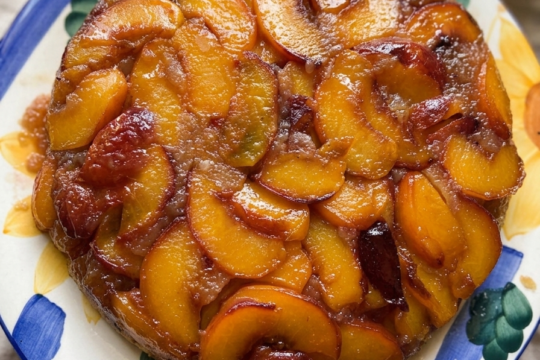
Peach Upside-Down Cake (Tarta Invertida de Melocotón)
Peaches caramelize right in a cast iron skillet in butter and brown sugar, then bake under a simple vanilla cake and flip out warm, caramel-side up. One pan, one flip, no candy thermometer required.

New York-Style Pizza (Pizza Estilo Nueva York)
Cold-fermented, bread-flour dough baked as hot as your oven will go on a preheated steel. The New York slice you actually fold, built with real technique, not a rushed 30-minute dough.
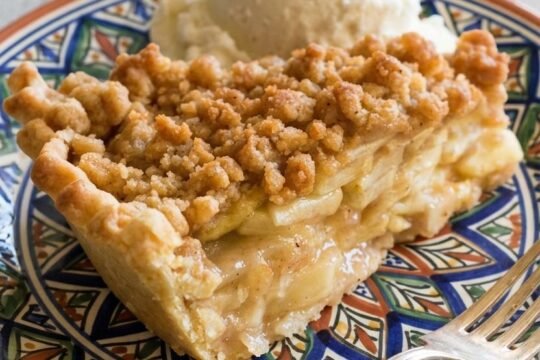
Dutch Apple Pie (Tarta de Manzana Holandesa)
Tart-sweet apples baked under a craggy brown-sugar crumb topping instead of a woven lattice. The site's first pastry-dough recipe — cold butter is the whole secret, and once you've got the crust down, it's the same one behind Pumpkin Pie and Pecan Pie too.
More 🌎 New World
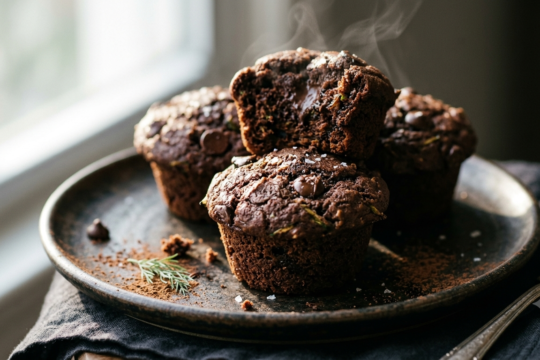
Double Chocolate Zucchini Muffins (Muffins de Chocolate y Calabacín)
Grated zucchini keeps these fudgy chocolate muffins moist without adding any vegetable flavor. The cocoa masks everything. Nobody will know.

Chicken and Shrimp Gumbo (Gumbo de Pollo y Gambas)
A dark roux, the Cajun trinity, and real New Orleans technique. Chicken, andouille, and shrimp simmered low and slow. The kind of recipe that teaches you something you'll use for the rest of your cooking life.
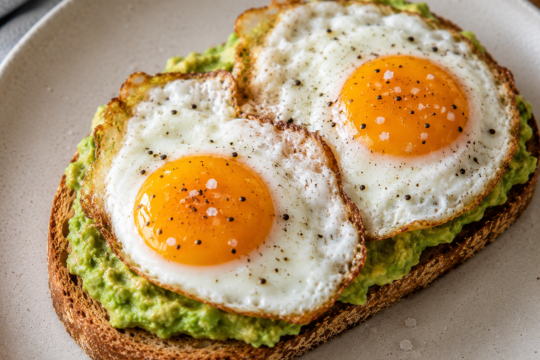
Avocado Toast (Tostada de Aguacate)
Ripe avocado, properly seasoned, on bread toasted until it can hold its weight. With a poached or Spanish fried egg on top, it becomes a complete meal.