
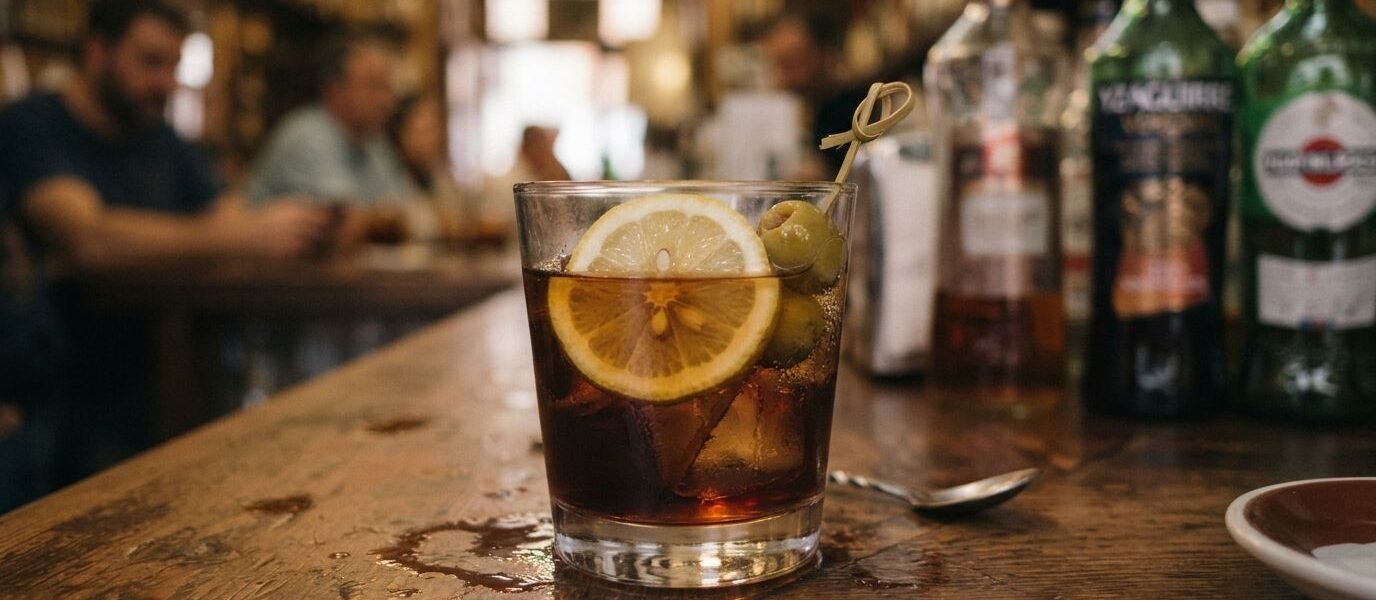
Vermut (Spanish Vermouth on the Rocks)
In Spain, the hour before lunch has a name: la hora del vermut. Around one o’clock, especially on Sundays, people stop at a bar on the way home, order a glass of red vermouth over ice, and eat a few olives, potato chips or a tin of mussels while they talk. Spaniards say vermut, and they mean both the drink and the whole ritual. The vermouth itself is often Spanish too, much of it from Reus, a town near Tarragona in Catalonia that has been making it since the 1800s. Some bars still pour it from a tap, vermut de grifo, straight from the barrel.
I enjoyed one now and then on my recent trip to Spain, and it’s the easiest way I know to start a long meal, which makes it a good fit for Thanksgiving. If you’ve made our Negroni or Manhattan, you already have the bottle. Here it gets to be the whole drink.
What You’re Learning
Vermouth is wine, so it goes off. Vermouth is wine with a little brandy added and flavored with herbs, spices and bitter wormwood (the name comes from Wermut, German for wormwood). The added alcohol slows it down, but once the bottle is open, air starts to flatten the flavor just as it does with an open bottle of wine. Kept in the fridge with the cap on tight, it stays good for about a month. On a shelf, it turns dull and sour within weeks. If your vermouth tastes like cough syrup, the bottle has probably been open too long.
Salt makes bitter taste sweeter. Salt dulls your sense of bitterness, so the bitter side of vermouth fades and its sweet, spiced side comes forward. That’s why it’s always served with something salty: olives, chips, anchovies, cured meat. The olive in the glass does the same job, a little at a time, as its brine mixes into the drink.
Ingredients
- 3 oz red (sweet) vermouth, chilled (a Spanish one from Reus if you can find it)
- Large ice cubes
- 1 slice of orange or lemon
- 1 or 2 green olives, ideally Manzanilla, on a pick
- A splash of soda water (optional)
Method
- Chill the vermouth. Keep the open bottle in the fridge. Starting cold means the ice melts slowly and the drink doesn’t turn watery.
- Fill the glass with ice. Fill a short rocks glass with large ice cubes, almost to the top.
- Pour the vermouth. Measure the vermouth with a jigger and pour it over the ice.
- Add the citrus and olive. Give the citrus slice a light squeeze over the glass and tuck it in against the side. Drop in the olive on its pick.
- Stir and serve. Give it a few slow turns with a bar spoon to chill it through. Add a splash of soda if you like it lighter, and serve right away with something salty on the side.
Notes
- Which vermouth. Spanish red vermouths like Yzaguirre, Miró or Padró are the classic choice and are sweeter and softer than most Italian ones. Any good sweet vermouth works. Avoid dry white vermouth here; that’s the martini kind, and it’s too sharp to drink on its own over ice.
- Orange or lemon. Orange brings out the sweet, spiced side; lemon makes it brighter and drier. Bars in Spain use both, so pick the one you like.
- The soda splash. Many Spanish bars top vermut with a squirt of soda from a sifón, a soda siphon. It lightens the drink and adds a little fizz. Any plain soda water works the same way.
- What to eat with it. Keep it simple and salty: green olives, plain potato chips, salted almonds, anchovies, or Spanish tinned seafood like mussels or cockles. In Spain, a splash of a vinegary, peppery sauce on the chips and seafood is part of the ritual.
- For a crowd. Set out a chilled bottle, a bucket of ice, sliced citrus and a bowl of olives, and let everyone build their own. It’s an easy drink to serve while the turkey rests.
More at This Level
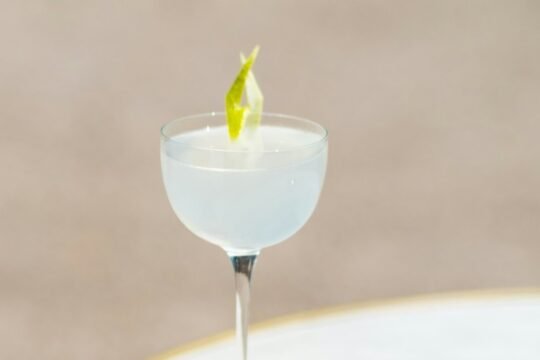
Daiquiri
White rum, fresh lime juice, and simple syrup, shaken hard and strained up into a chilled glass. The Daiquiri is the original template every great sour cocktail borrows from — three ingredients, one ratio, no shortcuts.
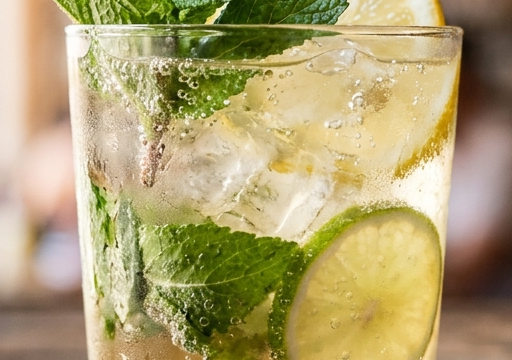
Rebujito
Dry sherry and lemon-lime soda over ice, finished with bruised mint. Seville's actual Feria pour, built in the glass in under two minutes.
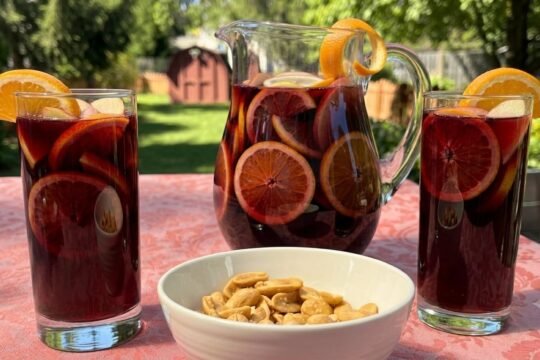
Sangria
Classic Spanish red wine punch built for a pitcher, not a glass. Red wine, brandy, fresh citrus, and a night in the fridge — the maceration is what separates sangria from wine with fruit floating in it.
More 🌍 Old World

Kalimotxo (Red Wine and Coke)
The Basque Country's favorite fiesta drink: equal parts cheap red wine and cold cola over plenty of ice, with a squeeze of lemon. It sounds wrong and tastes great.
Sangria
Classic Spanish red wine punch built for a pitcher, not a glass. Red wine, brandy, fresh citrus, and a night in the fridge — the maceration is what separates sangria from wine with fruit floating in it.
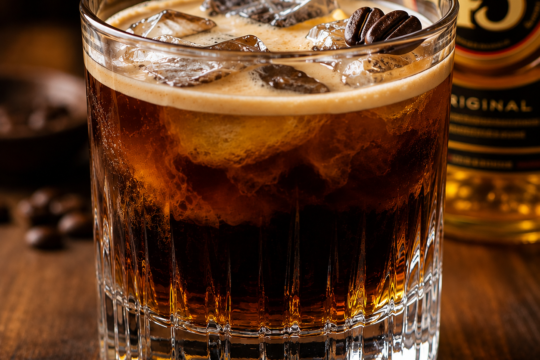
Carajillo
The modern iced carajillo: Licor 43 and hot espresso shaken hard over ice until the top turns foamy, then poured over fresh ice. Ready in five minutes, no bar tools beyond a shaker.