Scrambled Eggs (Huevos Revueltos)
Perfect scrambled eggs take 10 minutes and four ingredients. Most people get the technique wrong, and getting it right changes breakfast forever.
The problem with most scrambled eggs is heat: too much, too fast. High heat seizes the egg proteins before they have time to form the small, tender curds that make great scrambled eggs worth eating. The French method of low heat, constant movement, and pulling the eggs before they look done produces something completely different. Silky, flowing, deeply flavored. The same eggs. Completely different result.
What You’re Learning
Protein coagulation and heat control. Egg proteins begin to set at around 145°F (63°C) for yolks and 180°F (82°C) for whites. On high heat, the proteins seize and contract violently, squeezing out moisture and forming large, rubbery curds with a dry, grainy texture. On low heat, the proteins set slowly and evenly, trapping moisture inside and forming small, tender curds that flow together into something almost like a sauce. The difference is entirely about temperature management, which means the most important skill here is learning to keep the pan cool enough and pull the eggs at exactly the right moment.
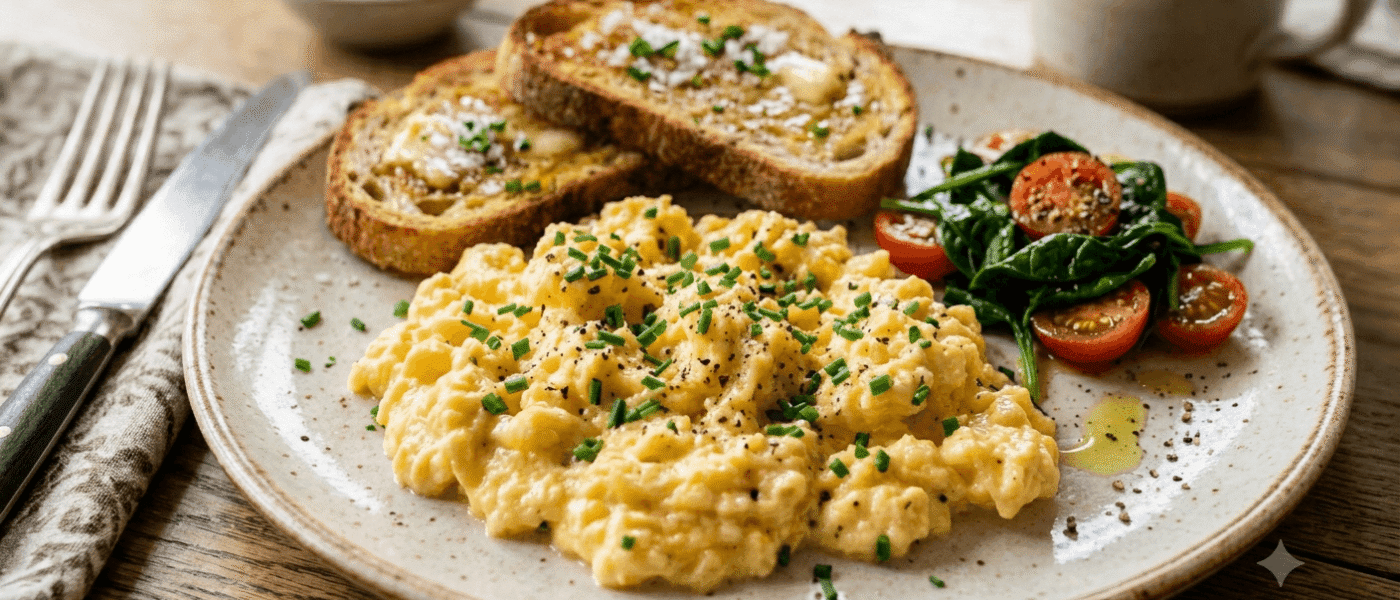
Residual heat and carryover cooking. Eggs keep cooking after you take them off the heat, more than almost any other food. By the time scrambled eggs look done in the pan, they are overcooked. The target is to remove them while they still look slightly underdone: glossy, still flowing, with visible liquid between the curds. Thirty seconds on a warm plate will finish them perfectly. If they look perfect in the pan, they’ll be rubbery on the plate. Trust the timing, not your eyes.
Ingredients
Makes 2 servings.
- 4 large eggs, cold from the fridge
- 1 tbsp unsalted butter
- ¼ tsp fine salt (added at the end)
- 1 tbsp crème fraîche or heavy cream (optional; it cools the pan at the critical moment and adds richness)
- Freshly ground black pepper, to finish
- Fresh chives or parsley, to finish (optional)
Method
- Crack eggs directly into a cold pan with the butter. Do not beat them first. Starting cold gives you more time at low heat before the proteins set. Place the pan over the lowest burner setting on your stove.
- Begin stirring immediately with a rubber spatula. Constant, sweeping strokes covering the entire base of the pan. You are not folding; you are moving the eggs continuously so no single area overheats. The butter will melt into the eggs as the pan warms.
- Keep moving for 6–8 minutes. The eggs will look completely liquid for a long time. This is correct. Resist the urge to raise the heat. If curds seem to be forming too fast in any spot, lift the pan off the burner for 15–20 seconds while continuing to stir, then return to the heat.
- Stir in the crème fraîche when the first curds appear. When the eggs begin to look like very soft, flowing scrambled eggs, still shiny and still moving, stir in the crème fraîche or cream. This cools the pan slightly and gives you a few more seconds of control.
- Pull off the heat while they still look underdone. When the eggs are glossy and flowing but have just started to mound up, before they look “done”, remove from the heat entirely. Season with salt. Stir for 30 more seconds off the heat; carryover cooking will finish them. They should barely hold their shape and still look slightly wet.
- Serve immediately. Scrambled eggs wait for no one. Plate, add black pepper and chives if using, eat at once.
Notes
- Cold eggs from the fridge are correct. Don’t bring them to room temperature first: starting cold gives you a longer window at low heat before they set.
- Non-stick pan only. A sticky pan makes this frustrating. Cast iron holds too much heat and makes precise control nearly impossible. Use a small non-stick skillet.
- Salt at the end, not the beginning. Salting raw eggs can break down the proteins and affect texture. Add salt after the pan comes off the heat.
- Never cook for more than 2 people at once. More eggs means less control. Do two batches for four people; it’s faster than managing a full pan at low heat.
- Butter, not oil. Butter emulsifies into the eggs as they cook, adding flavor that oil can’t match. Use unsalted so you control the salt level entirely.
- The crème fraîche is optional but worth it. It cools the pan at a critical moment and adds a subtle tang. Sour cream, heavy cream, or Greek yogurt all work.
More at This Level
Rhubarb Sauce (Compota de Ruibarbo)
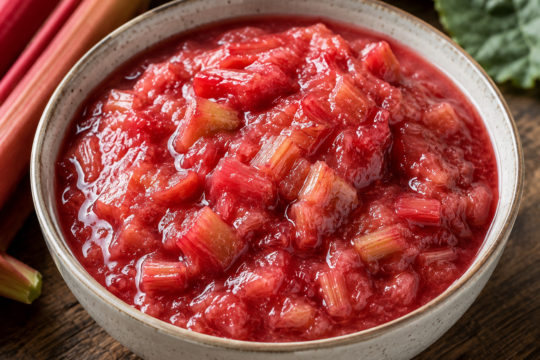
Bright, tart rhubarb cooked down with sugar to a glossy, chunky sauce. Twenty minutes, five ingredients, and a dozen ways to use it.
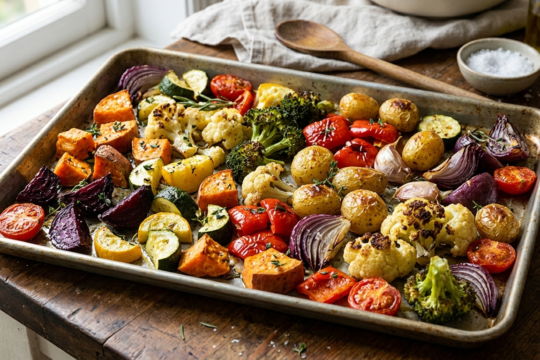
Roasted Vegetables (Verduras Asadas)
High heat, a hot oven, and space on the tray. That's all roasting vegetables requires — and it transforms almost anything into something worth eating on its own.
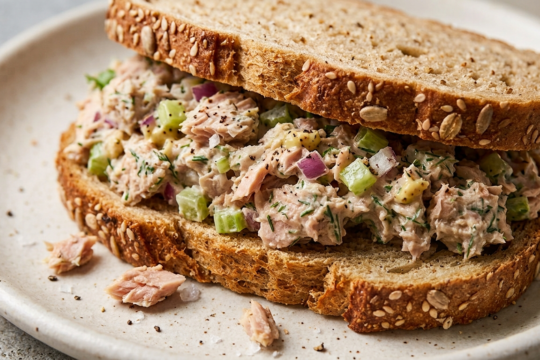
Tuna Salad (Ensalada de Atún)
Canned tuna, mayonnaise, celery, and red onion — no cooking, no fuss. The kind of lunch you can build in ten minutes with what is already in the pantry.
More 🌎 New World
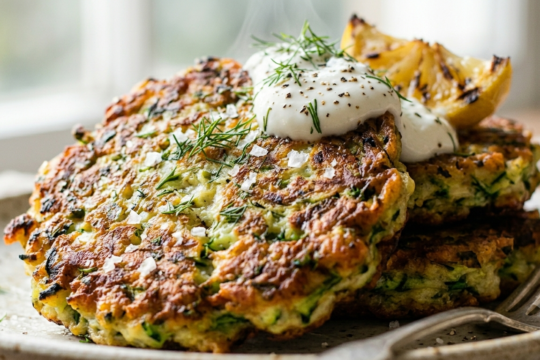
Zucchini Fritters (Buñuelos de Calabacín)
Crispy zucchini fritters that actually hold together. The technique is one step done well: squeezing the moisture out before anything else happens.
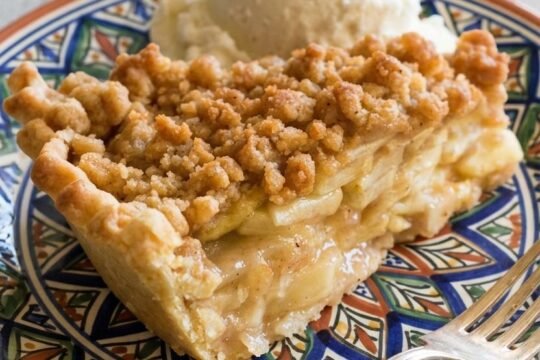
Dutch Apple Pie (Tarta de Manzana Holandesa)
Tart-sweet apples baked under a craggy brown-sugar crumb topping instead of a woven lattice. The site's first pastry-dough recipe — cold butter is the whole secret, and once you've got the crust down, it's the same one behind Pumpkin Pie and Pecan Pie too.
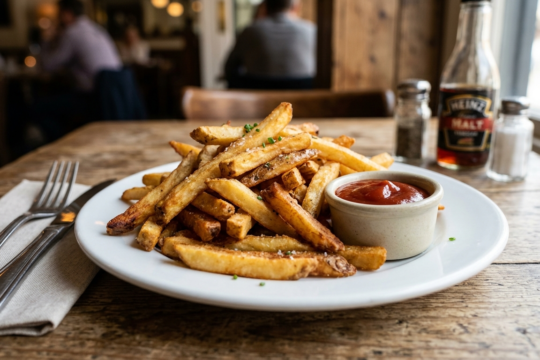
French Fries (Patatas Fritas)
The double-fry is the secret. One fry makes them cooked. Two fries makes them crispy. Skip the second and you've made soft potato sticks.