Piña Colada
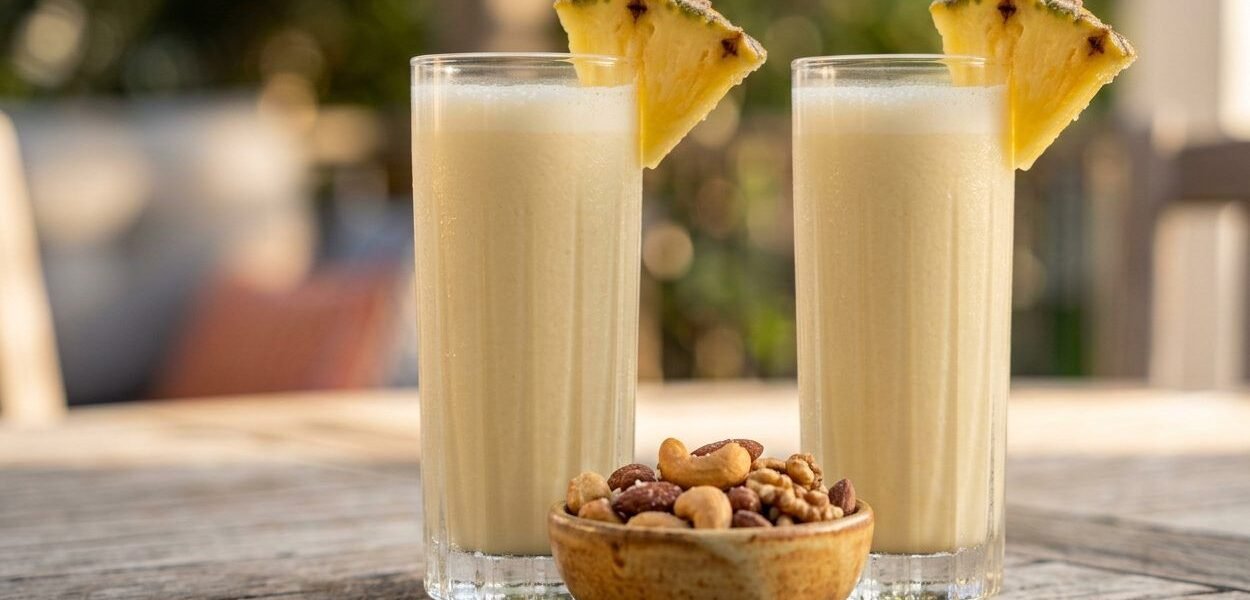
The Piña Colada was invented at the Caribe Hilton in San Juan in the 1950s, and the formula hasn’t needed fixing since: rum, pineapple juice, and cream of coconut, blended with ice until it’s thick and frosty. No shaker, no stirring, no technique to fumble. The blender does the work.
What You’re Learning
Cream of coconut is not coconut milk. Cream of coconut (Coco Lopez is the standard) is coconut pulp pressed with sugar into a thick, sweetened base built for blending into drinks. Coconut milk and coconut cream are unsweetened and thinner, made for cooking, and will leave the drink flat and under-sweet. Shake the can well before opening, since the coconut solids settle and separate in storage.
Blend for texture, not just to combine. The ice is what turns this from a mixed drink into a Piña Colada, so blend on high until the mixture is completely smooth with no ice chunks left, about 20 to 30 seconds. Stop as soon as it’s uniform. Over-blending melts the ice further, which thins the drink and waters down the flavor instead of improving it.
Ingredients
- 2 oz white rum
- 3 oz pineapple juice
- 2 oz cream of coconut (Coco Lopez), shaken well before measuring
- 1 cup ice
- Pineapple wedge and maraschino cherry, for garnish
Method
- Combine the liquids. Add the rum, pineapple juice, and cream of coconut to a blender.
- Blend with the ice. Add the ice and blend on high for 20 to 30 seconds, until completely smooth with no ice chunks remaining.
- Pour and garnish. Pour into a tall glass, garnish with a pineapple wedge and a cherry, and serve immediately with a straw.
Notes
- Cream of coconut, not coconut milk or coconut cream. Coco Lopez is the standard brand and is already sweetened for exactly this drink.
- Freeze pineapple chunks in place of some of the ice for a thicker, frostier drink that doesn’t dilute as it melts.
- Don’t over-blend. Stop as soon as the texture is smooth. Extra blending time just melts more ice and thins the drink.
- Scale it up in the same blender. Double or triple every ingredient to make a full pitcher for a crowd, then divide into glasses.
- For a non-alcoholic version, skip the rum and add an extra ounce of pineapple juice with a splash of coconut water.
More at This Level
Margarita
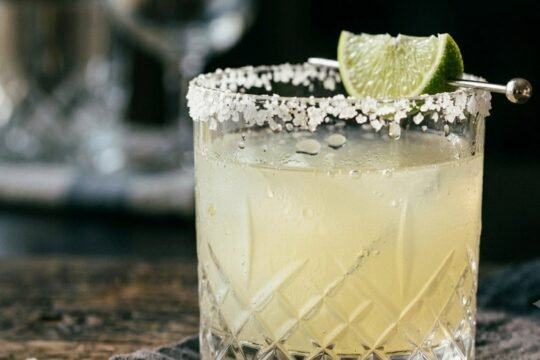
The Margarita is a sour — tequila, triple sec, and fresh lime juice — built on the 2:1:1 formula. Understanding that ratio means you can adjust it, substitute ingredients, and diagnose why a Margarita tastes off.
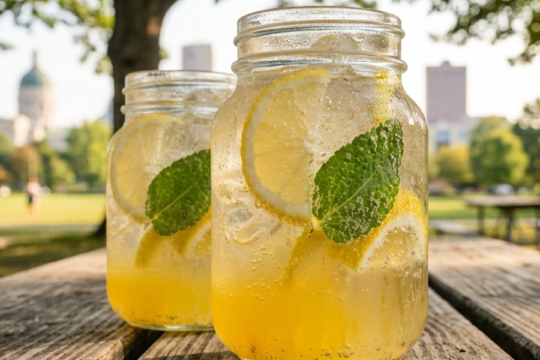
Lynchburg Lemonade
Jack Daniel's, triple sec, and fresh lemon juice, shaken hard and topped with lemon-lime soda. Tennessee's own whiskey lemonade, served in a Mason jar over ice.
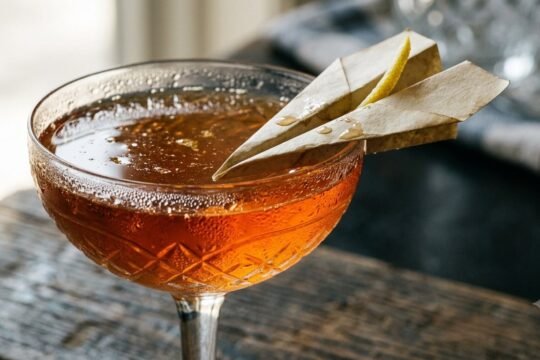
Paper Plane
Equal parts bourbon, Aperol, Amaro Nonino, and fresh lemon juice. The Paper Plane is a modern classic built on a formula that sounds too simple — and works better than it should.
More 🌎 New World
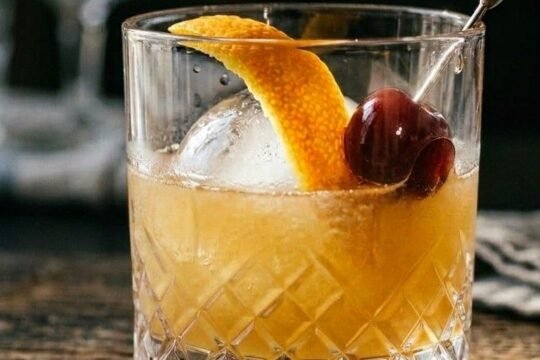
Whiskey Sour
Bourbon, fresh lemon, and simple syrup, shaken hard and strained over ice. The Whiskey Sour is the sour formula in its cleanest form, and the ratio it teaches shows up in half the cocktail menu.
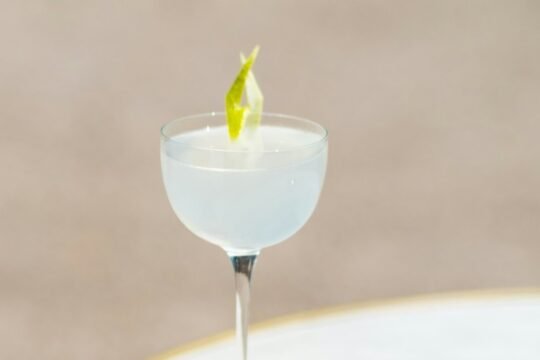
Daiquiri
White rum, fresh lime juice, and simple syrup, shaken hard and strained up into a chilled glass. The Daiquiri is the original template every great sour cocktail borrows from — three ingredients, one ratio, no shortcuts.
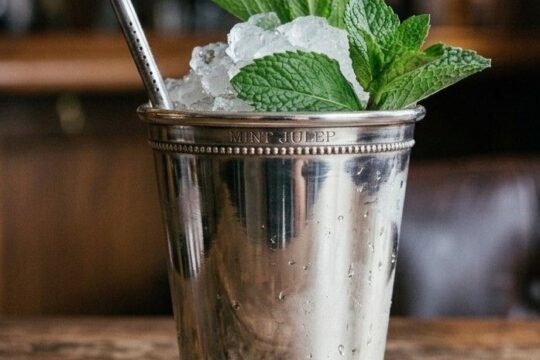
Mint Julep
Bourbon, sugar, and a fistful of mint, gently pressed and packed into crushed ice until the silver cup frosts over. No shaker, no strainer, just patience and cold.