The Espresso Martini was invented in a London bar in the 1980s, when a customer asked the bartender for a drink that would wake her up and keep the night going. He reached for vodka, a fresh shot of espresso, and coffee liqueur, and shook them together hard. Forty years later it’s one of the most ordered cocktails in the world.
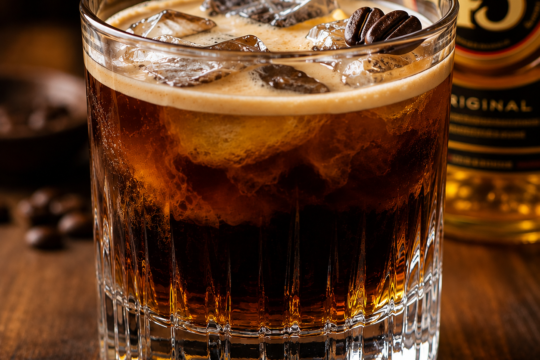
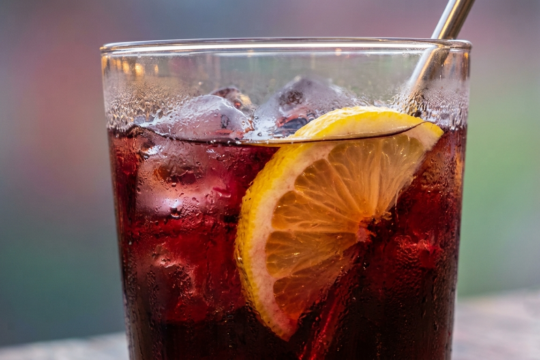
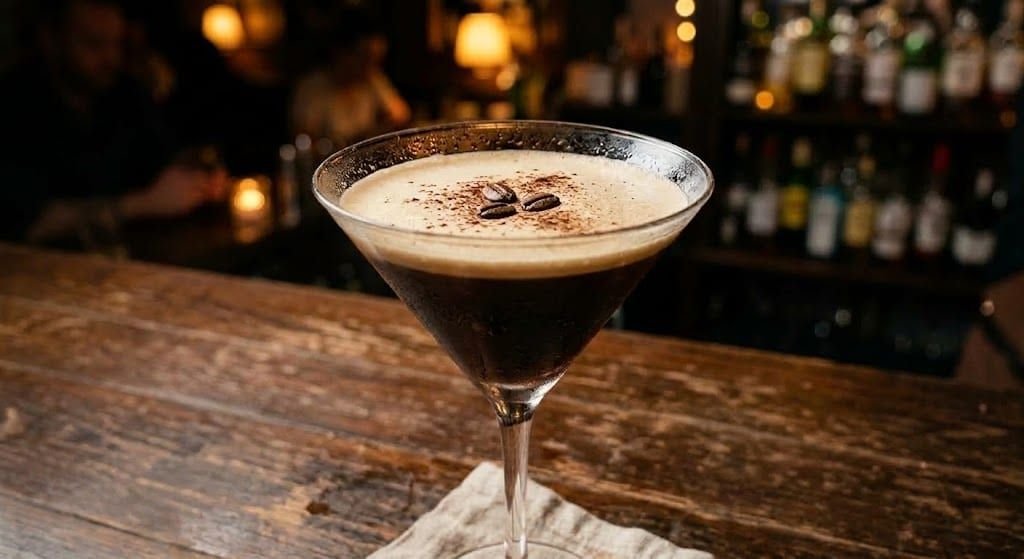
What makes it look like it came from a good bar is the foam: a thick, pale layer that sits on top of a dark, cold drink. No egg white, no cream. It comes entirely from the coffee, and it’s easy to get once you know the one thing it depends on. If you like coffee in your cocktails, the Carajillo is Spain’s take on the idea.
What You’re Learning
Fresh espresso is what makes the foam. A freshly pulled shot carries coffee oils and dissolved gas, the same things that make the crema on top of the cup. Shake that into ice and the oils trap air into a thick, lasting foam. Espresso that has been sitting for 20 minutes, or cold brew from the fridge, has lost most of that gas, and the drink comes out flat and thin. Pull the shot right before you mix and put it in the shaker while it’s still hot.
Shake it harder and longer than you think. Most shaken drinks need 10 to 12 seconds. This one wants a full 15 to 20, with the shaker packed with ice, because you’re doing two jobs at once: chilling a hot shot of coffee and whipping air into it. Then double-strain it. The fine strainer catches the ice chips that would otherwise break the foam, so it settles smooth and even.
Ingredients
- 2 oz vodka
- 1 oz freshly brewed espresso (one shot), still hot
- 3/4 oz coffee liqueur, such as Kahlúa
- 1/4 oz simple syrup, or to taste
- Ice
- 3 coffee beans, for garnish
- A pinch of cocoa powder, for garnish (optional)
Method
- Chill the glass. Fill a martini glass with ice and water and let it sit while you make the drink.
- Pull the espresso. Brew one shot of espresso right before mixing. It should go into the shaker hot.
- Build the drink. Add the vodka, coffee liqueur, simple syrup, and hot espresso to a cocktail shaker. Fill it to the top with ice.
- Shake hard. Seal it and shake as hard as you can for 15 to 20 seconds, until the outside of the shaker is frosted and almost too cold to hold.
- Double-strain. Dump the ice water from the glass. Pour the drink through the shaker’s strainer and a fine-mesh strainer held over the glass. Give it 30 seconds and the foam will settle into a thick layer on top.
- Garnish. Lay three coffee beans in the center of the foam and dust with a little cocoa powder if you like.
Notes
- No espresso machine? A moka pot or an AeroPress brewed strong works well. In a pinch, stir 1 teaspoon of instant espresso powder into 1 oz of hot water. Cold brew concentrate makes a noticeably flatter foam.
- Match the sugar to your liqueur. Kahlúa is sweet, so 1/4 oz of simple syrup is plenty. A drier, more coffee-forward liqueur like Mr Black needs closer to 1/2 oz.
- Use a plain vodka. The coffee is the flavor here. A clean, unflavored vodka lets it come through; vanilla or other flavored vodkas bury it.
- The three beans stand for health, wealth, and happiness, by bar tradition. They’re there for looks, but they also tell you the foam is thick enough: they should sit on top, not sink.
- A coupe works as well as a martini glass, and it’s harder to spill. Chill whichever you use, since a warm glass starts melting the foam right away.