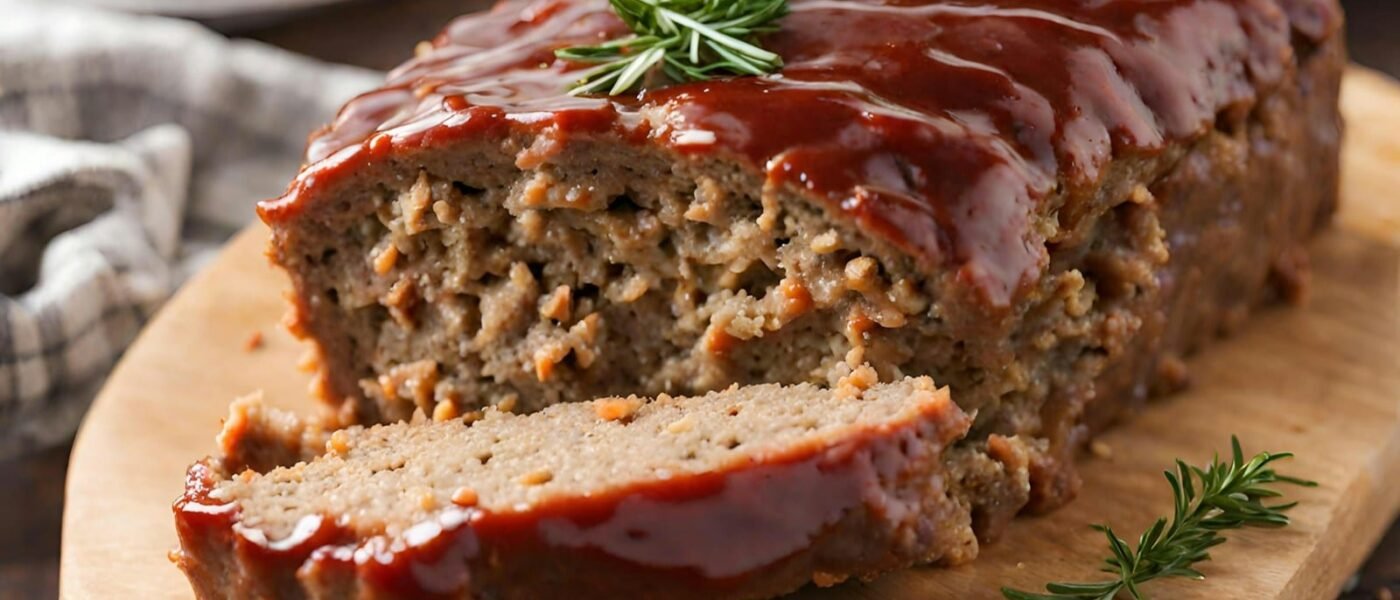
Meatloaf (Pastel de Carne)
The American comfort dish, stripped to its essentials — and given the technique it deserves.
Meatloaf is one of those recipes that almost everyone has eaten and almost no one makes correctly. The problem isn’t the concept — ground beef, aromatics, a glaze, an oven — it’s that most versions skip the technique that makes the difference between a moist, tender loaf and a dense, dry brick. That technique is the panade: breadcrumbs soaked in milk before the meat ever gets mixed in. The soaked crumbs act as a moisture reservoir throughout the long bake, keeping the interior tender in a way that eggs and fat alone cannot. Everything else in this recipe is in service of that goal: sautéed aromatics (not raw), a restrained mix (not overworked), and a two-stage glaze that builds flavor as it bakes.
What You’re Learning
The panade — Soaking breadcrumbs in milk before adding them to the meat is the single most important technique in this recipe. The milk-saturated crumbs swell and hold moisture, acting as a buffer against the long bake time. Without them, ground beef contracts as it cooks and squeezes out its liquid, leaving you with a dense, dry loaf regardless of fat content. This same technique applies to meatballs, stuffed peppers, and any preparation where you’re cooking ground meat to a high internal temperature over an extended time.
Why sauté the aromatics first — Raw onion in meatloaf doesn’t cook evenly — you end up with sharp, crunchy pockets in an otherwise tender loaf. Sautéing softens them and drives off their moisture, so they blend seamlessly into the mix and deepen the overall flavor. The same logic applies whenever aromatics go into a ground meat preparation: cold, raw, and wet is always the wrong starting point.
Ingredients
For the Meatloaf
- 2 lbs (900g) ground beef, 80/20
- 2/3 cup breadcrumbs
- 1/2 cup whole milk
- 2 large eggs
- 1 medium yellow onion, finely diced
- 3 cloves garlic, minced
- 2 tbsp Worcestershire sauce
- 1 tbsp tomato paste
- 1 tsp fine salt
- 1/2 tsp black pepper
- 1/2 tsp smoked paprika
- 2 tbsp olive oil
For the Glaze
- 1/2 cup ketchup
- 2 tbsp brown sugar
- 1 tbsp apple cider vinegar
- 1 tsp Worcestershire sauce
Instructions
- Preheat and prep. Heat oven to 350°F (175°C). Line a rimmed baking sheet with foil, or lightly grease a 9×5 inch loaf pan.
- Make the panade. In a large mixing bowl, combine breadcrumbs and milk. Stir briefly and let sit for 5 minutes until the milk is fully absorbed.
- Sauté the aromatics. Heat olive oil in a skillet over medium heat. Add the onion and cook until soft and translucent, 5–6 minutes. Add garlic and cook 1 more minute. Remove from heat and let cool for a few minutes.
- Mix the meatloaf. Add the ground beef, eggs, Worcestershire sauce, tomato paste, salt, pepper, and smoked paprika to the bowl with the panade. Add the cooled onion and garlic. Mix with your hands just until everything is combined — stop as soon as you don’t see streaks of egg or unmixed breadcrumb.
- Shape. Transfer the mixture to the prepared pan or baking sheet and shape into a 9×5 inch loaf, pressing gently to close any air pockets.
- Make the glaze. Whisk together ketchup, brown sugar, vinegar, and Worcestershire sauce. Spread half evenly over the top and sides of the loaf.
- Bake. Bake for 45 minutes. Remove from oven, apply the remaining glaze, and return for another 15 minutes — until an instant-read thermometer reads 160°F (71°C) at the center.
- Rest and slice. Let the meatloaf rest for 10 minutes before cutting. The interior will firm slightly and the juices will redistribute.
Notes
- Don’t skip the panade: This is the single technique that separates a tender meatloaf from a dry one. The milk-soaked breadcrumbs are not optional. Without them you’re relying entirely on fat content to carry you through a 60-minute bake at 350°F — it won’t be enough.
- Don’t overwork the meat: Mix just until combined. Overworking develops the proteins and turns the loaf dense and rubbery. The moment the mix looks uniform, stop.
- Free-form vs. loaf pan: Baking free-form on a sheet allows the sides to caramelize and form a crust. A loaf pan steams the sides and gives a softer, more uniform shape. Both are correct — free-form generally has better texture; the pan gives a cleaner slice.
- Temperature, not time: Ovens vary. An instant-read thermometer at 160°F (71°C) is the only reliable way to know it’s done. Start checking at the 55-minute mark.
- Leftovers: Cold meatloaf sliced thin on toasted white bread with yellow mustard is arguably better than the original. Store covered in the refrigerator for up to 4 days. Reheat individual slices in a skillet with a splash of water and a lid.
- Make it a meal: Mashed potatoes and roasted vegetables are the natural partners — both already on the site.
More at This Level
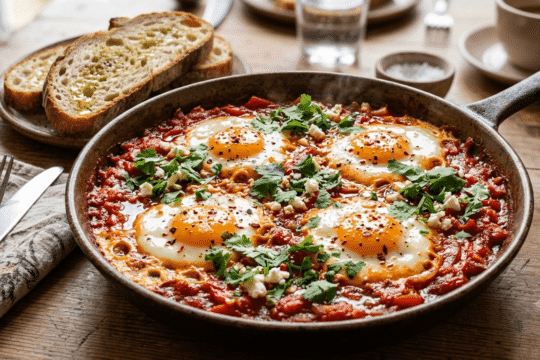
Shakshuka
Eggs poached in a spiced, garlicky tomato and pepper sauce. One pan, thirty minutes, and a dinner that looks far more deliberate than it is.

Garlic Chicken (Pollo al Ajillo)
Chicken thighs browned in olive oil with a whole head of garlic, then simmered in dry white wine until the cloves go soft and sweet and the pan juices turn into a glossy garlic sauce.
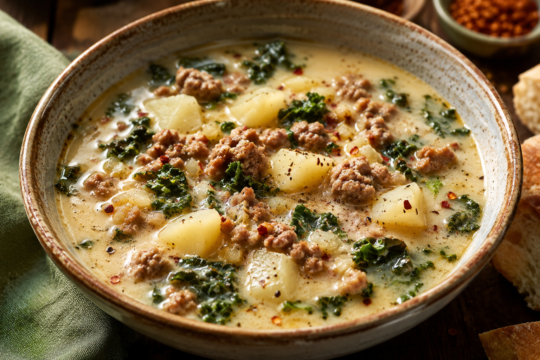
Zuppa Toscana
Creamy Italian sausage soup with kale, potatoes, and cream. One pot, no fuss, done in under an hour.
More 🌎 New World

Multigrain Sourdough Discard Boule (Hogaza Multicereales con Descarte de Masa Madre)
A seeded, whole-grain Dutch oven boule made with unfed sourdough discard. Oats and seeds soak first, the dough rises overnight in the fridge, and it bakes straight from the cold.
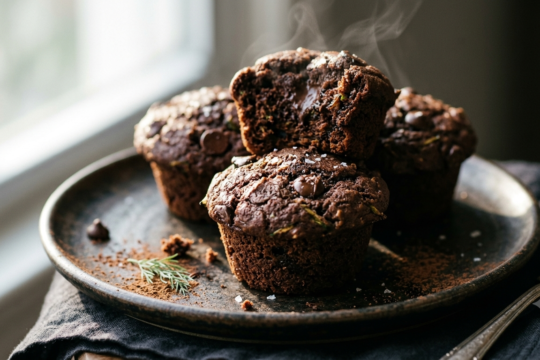
Double Chocolate Zucchini Muffins (Muffins de Chocolate y Calabacín)
Grated zucchini keeps these fudgy chocolate muffins moist without adding any vegetable flavor. The cocoa masks everything. Nobody will know.
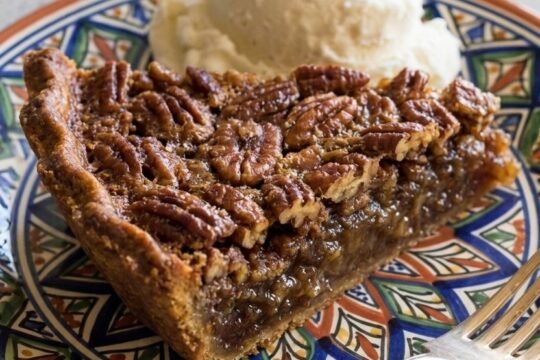
Pecan Pie (Tarta de Nueces Pecanas)
Toasted pecans set in a glossy brown-sugar caramel, no corn syrup required. Tempering the eggs into the warm caramel is the one technique that separates a silky filling from a curdled one. Uses the same crust as Dutch Apple Pie and Pumpkin Pie.