
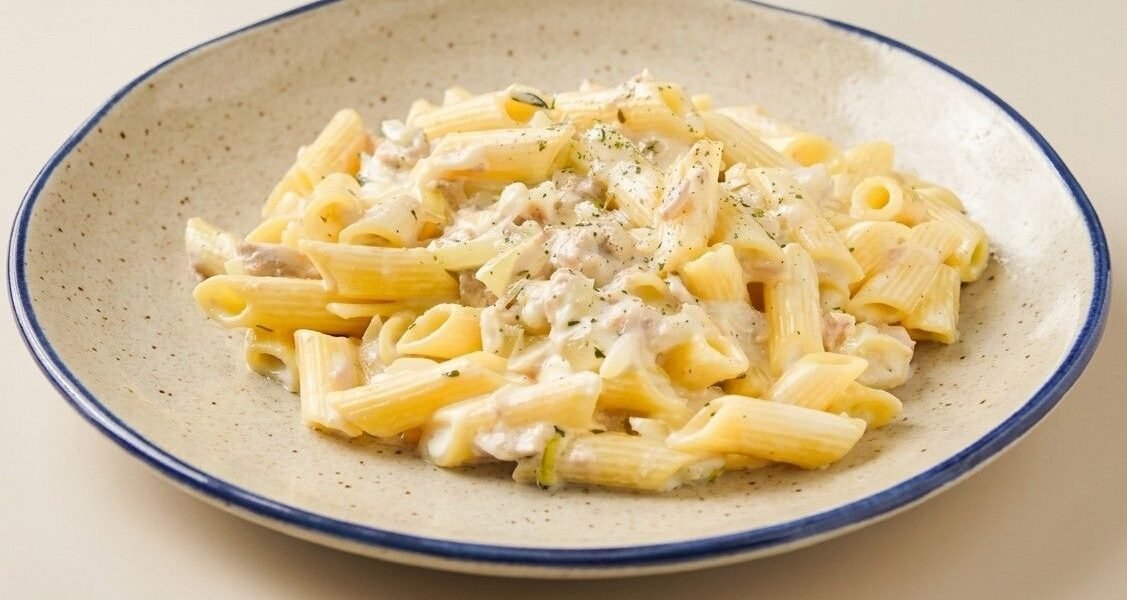
Tuna and Cheese Pasta (Pasta Cremosa con Atún y Queso)
This is the kind of dinner that comes together entirely from what’s already in the kitchen: a box of pasta, an onion, a couple cans of tuna, and a carton of cooking cream. No special trip to the store, no long ingredient list, just a genuinely rich, comforting sauce built in the same 20 minutes it takes the pasta to boil.
The whole dish lives or dies on two things: a properly softened onion and garlic base for the sauce to sit on, and folding the tuna in gently so it stays in tender flakes instead of breaking down into mush. Everything else, the cream, the parmesan, the pasta water, is there to hold it all together.
What You’re Learning
Sauté the aromatics all the way to soft before anything else goes in. A raw or half-cooked onion turns a cream sauce cloudy and sharp-tasting. Cooking the onion in olive oil over medium heat until it’s fully translucent, about 6 to 8 minutes, and the garlic for just the last minute, builds a sweet, mellow base the cream can actually round out instead of fighting against.
Tuna and cheese both want gentle heat, not a hard simmer. The tuna is already cooked, it’s in the pan to warm through and flake apart, not to cook again, so stir it in gently once the cream is already hot. Same with the parmesan: added off a rolling boil and stirred in a handful at a time, it melts smooth into the sauce. Dumped into cream that’s still boiling hard, it can seize into stringy clumps instead.
Ingredients
Serves 4.
- 7 oz (about 2 cups) macaroni or other short pasta
- Salt, for the pasta water and to taste
- 2 tablespoons olive oil
- 1 medium onion, finely chopped
- 2 cloves garlic, minced
- 2 (3 oz) cans tuna, drained
- 2 teaspoons dried oregano
- Black pepper, freshly ground
- 1 3/4 cups (400 ml) cooking cream
- 2/3 cup (60 g) grated Parmesan cheese
Method
- Boil the pasta. Bring a large pot of well-salted water to a boil and cook the pasta to al dente according to the package. Reserve about 1/2 cup of the pasta water before draining.
- Soften the onion and garlic. While the pasta cooks, heat the olive oil in a saucepan over medium heat. Add the onion and cook, stirring occasionally, until fully soft and translucent, 6 to 8 minutes. Add the garlic and cook for 1 more minute, until fragrant.
- Add the tuna and oregano. Stir the drained tuna, oregano, and a good grind of black pepper into the pan, breaking the tuna gently into flakes. Cook for 1 to 2 minutes to warm through.
- Pour in the cream. Add the cooking cream and bring to a gentle simmer, not a hard boil. Let it simmer for 3 to 4 minutes, stirring occasionally, until it thickens slightly.
- Melt in the cheese. Pull the pan off the heat and stir in the parmesan a handful at a time until fully melted and smooth. Taste and adjust salt and pepper.
- Combine and serve. Add the drained pasta to the sauce and toss to coat, loosening with a splash of the reserved pasta water if it looks too thick. Serve immediately.
Notes
- Macaroni, penne, or fusilli all work well here, anything with ridges or a hollow center helps the sauce cling.
- Tuna packed in olive oil brings more flavor than water-packed, drain it well either way so the sauce doesn’t turn watery.
- Don’t let the cream come to a hard boil once the parmesan is in, it can cause the cheese to seize into clumps instead of melting smooth.
- No cooking cream on hand? Heavy cream works as a substitute, the sauce will just be slightly richer.
- A handful of frozen peas or a squeeze of lemon juice at the end brightens the dish if it’s tasting too heavy.
- Leftovers keep in the fridge for up to 3 days, reheat gently on the stovetop with a splash of milk or cream to loosen the sauce back up.
More at This Level
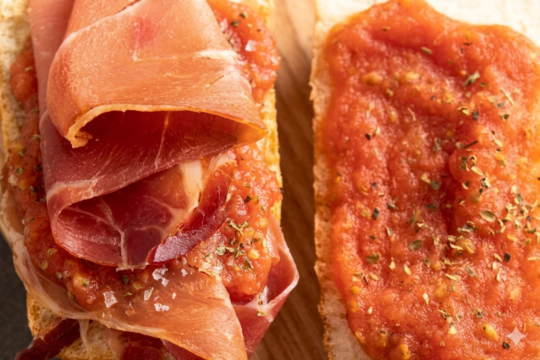
Spanish Tomato Bread (Pan con Tomate)
Five minutes. Four ingredients. The most satisfying thing you can make with bread and a tomato. This is where Old World cooking starts — and once you've had it done right, you'll understand why Spain has been eating it for centuries.
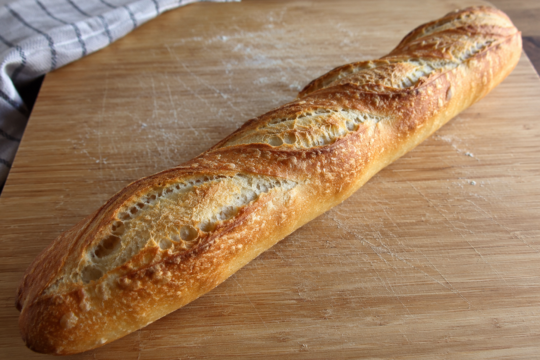
Baguette
Four ingredients, no kneading, and an overnight rest. Real baguette crust starts here.
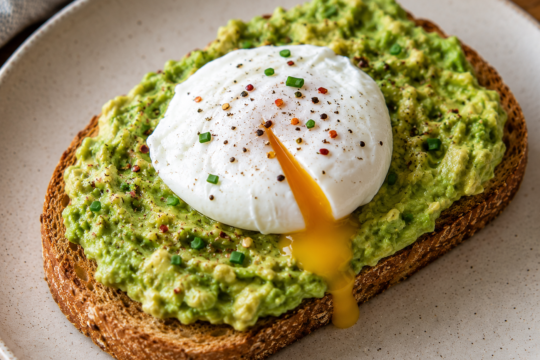
How to Poach an Egg (Cómo Escalfar un Huevo)
Gentle heat, a splash of vinegar, and a little patience. Poaching is one of the most useful egg techniques to learn — and once you have it, you use it constantly.
More 🌍 Old World

Spanish Rice Pudding (Arroz con Leche)
Spain's creamy rice pudding: round rice simmered slowly in milk with lemon peel and a cinnamon stick until it's thick and silky, finished with a dusting of cinnamon. Eight ingredients, one pot, warm or cold.

Sourdough Starter (Masa Madre)
Flour, water, and a week of daily feedings. How to grow a sourdough starter from scratch, what each day should look like, and how to tell when it's ready to bake with.
How to Poach an Egg (Cómo Escalfar un Huevo)
Gentle heat, a splash of vinegar, and a little patience. Poaching is one of the most useful egg techniques to learn — and once you have it, you use it constantly.