Garlic Chicken (Pollo al Ajillo)
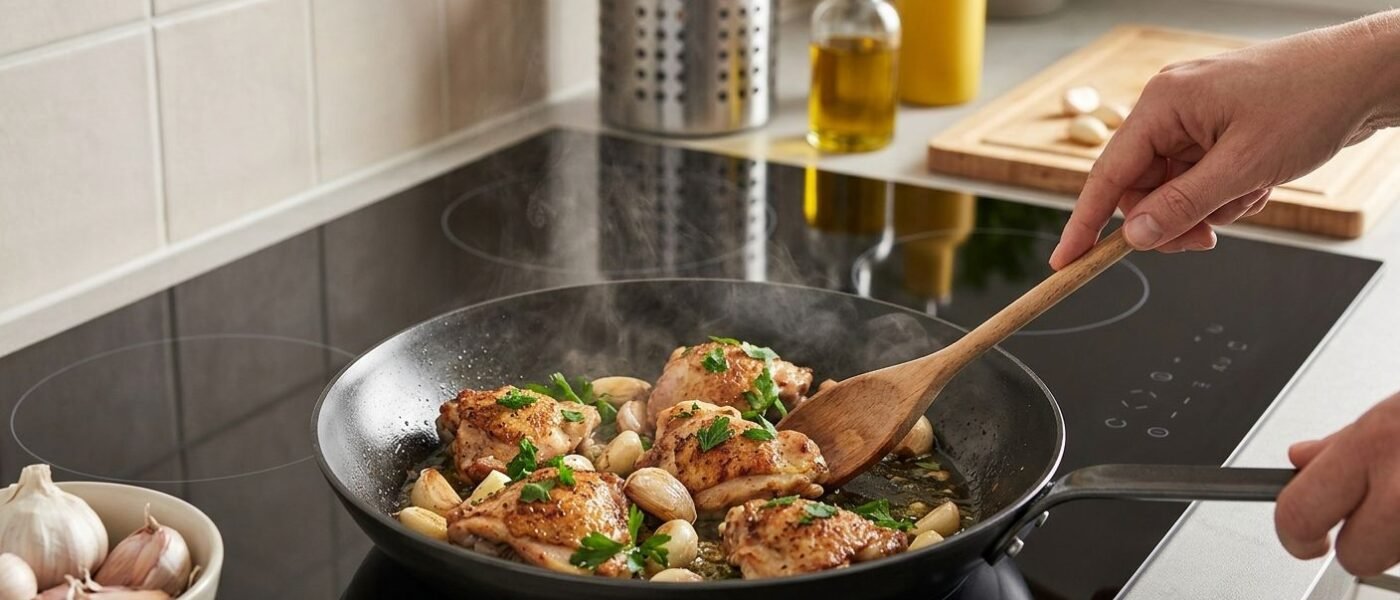
Pollo al ajillo is chicken cooked “the garlic way,” and in Spain that means a lot of garlic. A whole head goes into the pan, cloves left whole, some still in their skins. They cook slowly in the chicken fat and olive oil until they’re soft enough to spread, and a splash of white wine turns everything left in the pan into a sauce. It’s one skillet, about 40 minutes on the heat, and one of the most common home dinners in Spain.
If you’ve made our Gambas al Ajillo, you already know the family. The shrimp version is fast and sharp, with sliced garlic sizzling for a minute. The chicken version is slower and sweeter, because whole cloves have time to mellow. Serve it with a loaf of Pan de Barra for the sauce and a green salad.
What You’re Learning
Leave the skin alone and it will brown. Chicken skin sticks to the pan at first, then releases on its own once the fat underneath has rendered and the surface has browned. Moving it early tears the skin and leaves the color in the pan. Put the thighs in skin side down, set a timer, and don’t touch them. The browned bits they leave behind (the fond) are the base of your sauce.
How you cut garlic decides how it tastes. Chopped or sliced garlic has a lot of exposed surface, so it turns sharp fast and burns in seconds. Whole cloves cook from the outside in, more like a small potato: they go golden, then soft, then sweet and nutty. That’s why this dish can use 15 cloves without tasting harsh, and why the cloves go into the pan whole.
Ingredients
Serves 4.
- 8 bone-in, skin-on chicken thighs (about 3 lb)
- 1 1/2 teaspoons kosher salt
- 1/2 teaspoon freshly ground black pepper
- 3 tablespoons extra-virgin olive oil
- 1 large head of garlic (about 15 cloves), separated; peel half and leave half in their skins
- 2 bay leaves
- 1 small dried red chile (guindilla), or a pinch of red pepper flakes (optional)
- 3/4 cup dry white wine or fino sherry
- 2 tablespoons chopped flat-leaf parsley
Method
- Dry and season the chicken. Pat the thighs completely dry with paper towels, then season both sides with the salt and pepper. Dry skin browns; wet skin steams. If you have time, do this an hour ahead and leave them uncovered in the fridge.
- Brown skin side down. Heat the olive oil in a 12-inch skillet over medium heat until it shimmers. Lay the thighs in skin side down and cook, without moving them, for 10 to 12 minutes, until the skin is deep golden and releases easily from the pan. Turn them and cook 3 minutes more.
- Add the garlic. Push the chicken to the edges and add all the garlic cloves, the bay leaves, and the chile to the center of the pan. Cook 2 to 3 minutes, stirring the garlic in the fat, until the peeled cloves are lightly golden. Lower the heat if they start to darken quickly.
- Deglaze with the wine. Pour in the wine and scrape the browned bits off the bottom of the pan with a wooden spoon. Let it bubble for a minute so the raw alcohol smell cooks off.
- Simmer covered. Turn the thighs skin side up, lower the heat so the liquid just simmers, and cover. Cook 15 to 20 minutes, until the thickest part of a thigh reads 175°F on an instant-read thermometer and the garlic is soft when pressed with a spoon.
- Reduce the sauce. Uncover and simmer 3 to 4 minutes more, spooning the juices over the chicken, until the sauce is glossy and slightly thickened. Remove the bay leaves and chile, taste, and add salt if it needs it.
- Finish and serve. Scatter the parsley over the top and bring the skillet to the table. Squeeze the soft garlic out of its skins onto bread, and spoon the sauce over everything.
Notes
- Why some cloves stay in their skins. The peeled cloves melt into the sauce. The unpeeled ones steam inside their skins and come out soft and whole, ready to spread on bread. In Spain they’re often called ajos chafados when lightly crushed first, which also works.
- Thighs over breasts. Thighs stay juicy through the simmer and their fat flavors the sauce. If you only have breasts, use bone-in, skin-on ones and pull them at 160°F.
- The traditional cut. Spanish cooks often have the butcher chop a whole chicken into small bone-in pieces, which brown faster and give more surface for the sauce. Same method, about 5 minutes less in the covered simmer.
- Wine or sherry. Fino or manzanilla sherry gives the most Spanish flavor. Any dry white you’d drink works. For no alcohol, use chicken stock with a teaspoon of white wine vinegar.
- It’s better the next day. Store it covered in the fridge for up to 3 days and reheat gently in the skillet with a splash of water. Keep the thighs skin side up so the skin doesn’t go soggy.
More at This Level
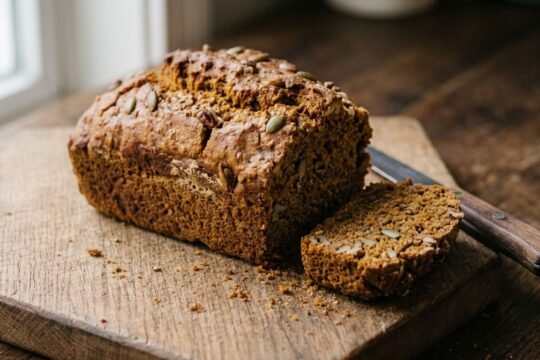
Pumpkin Bread (Bizcocho de Calabaza)
A moist, deeply spiced quick bread built on real canned pumpkin, not pumpkin pie filling. One bowl, no mixer, the fall bake that actually delivers on flavor.
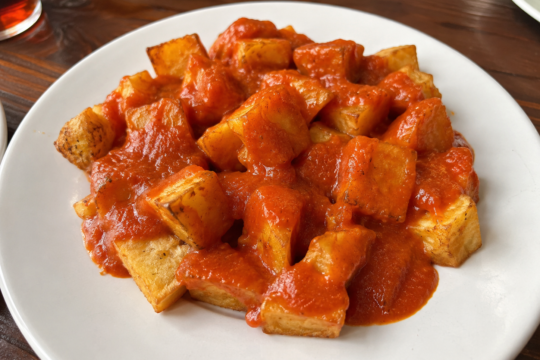
Patatas Bravas (Spicy Spanish Potatoes)
Spain's most beloved tapa — crispy potatoes with a smoky, fiercely spiced brava sauce. Two components, one technique each, and the result tastes like a bar in Madrid.
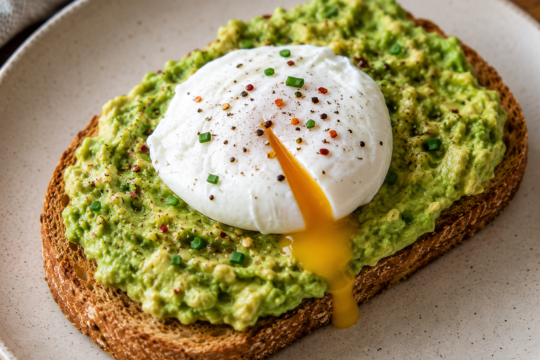
How to Poach an Egg (Cómo Escalfar un Huevo)
Gentle heat, a splash of vinegar, and a little patience. Poaching is one of the most useful egg techniques to learn — and once you have it, you use it constantly.
More 🌍 Old World
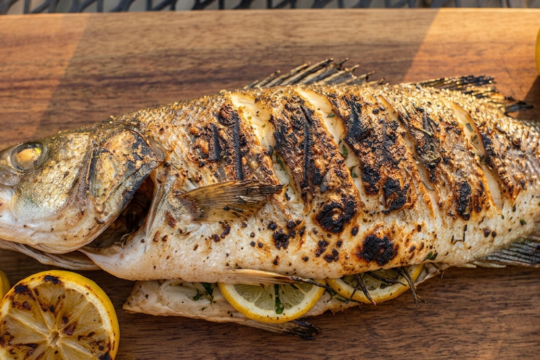
Grilled Whole Branzino (Lubina a la Plancha)
Two whole fish, a hot grill, and almost nothing else. Branzino stuffed with lemon and garlic, grilled until the skin crisps and releases clean, Spanish coastal cooking at its simplest.
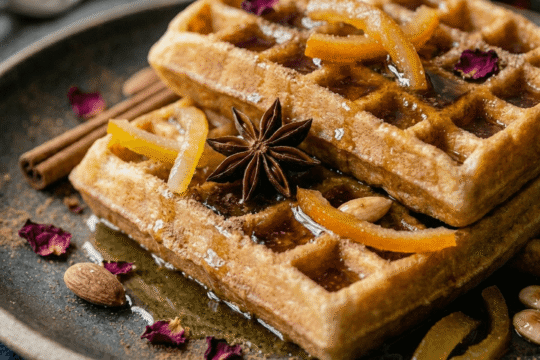
Belgian Waffles (Gofres Belgas)
Belgian waffles have deeper pockets and a lighter, crispier texture than American waffles — achieved by one extra step: separated eggs with beaten whites folded into the batter at the end.

Homemade Chicken Stock (Caldo de Pollo Casero)
The stock half the recipes on this site call for. Chicken backs and wings, a few vegetables, cold water, and a slow simmer that never boils. Clear, golden, and set like jelly once it's cold.